
How (and Why) We Measure Ingredient Conversion Data
Why Measure These Data?
We started building conversion tables to calculate nutrient tables, and to make our recipes "shoppable" via Instacart.
A recipe might call for 1 cup of sunflower seeds, but the store may sell them by weight or package. So we needed a way to translate cooking amounts into shopping amounts.
Once we had that data, we realized it could help you in the kitchen, too. These charts can answer questions like how much a cup of rice weighs, or how much juice or zest you can get from one lime.
How Were They Measured?
Our conversion data comes from different sources.
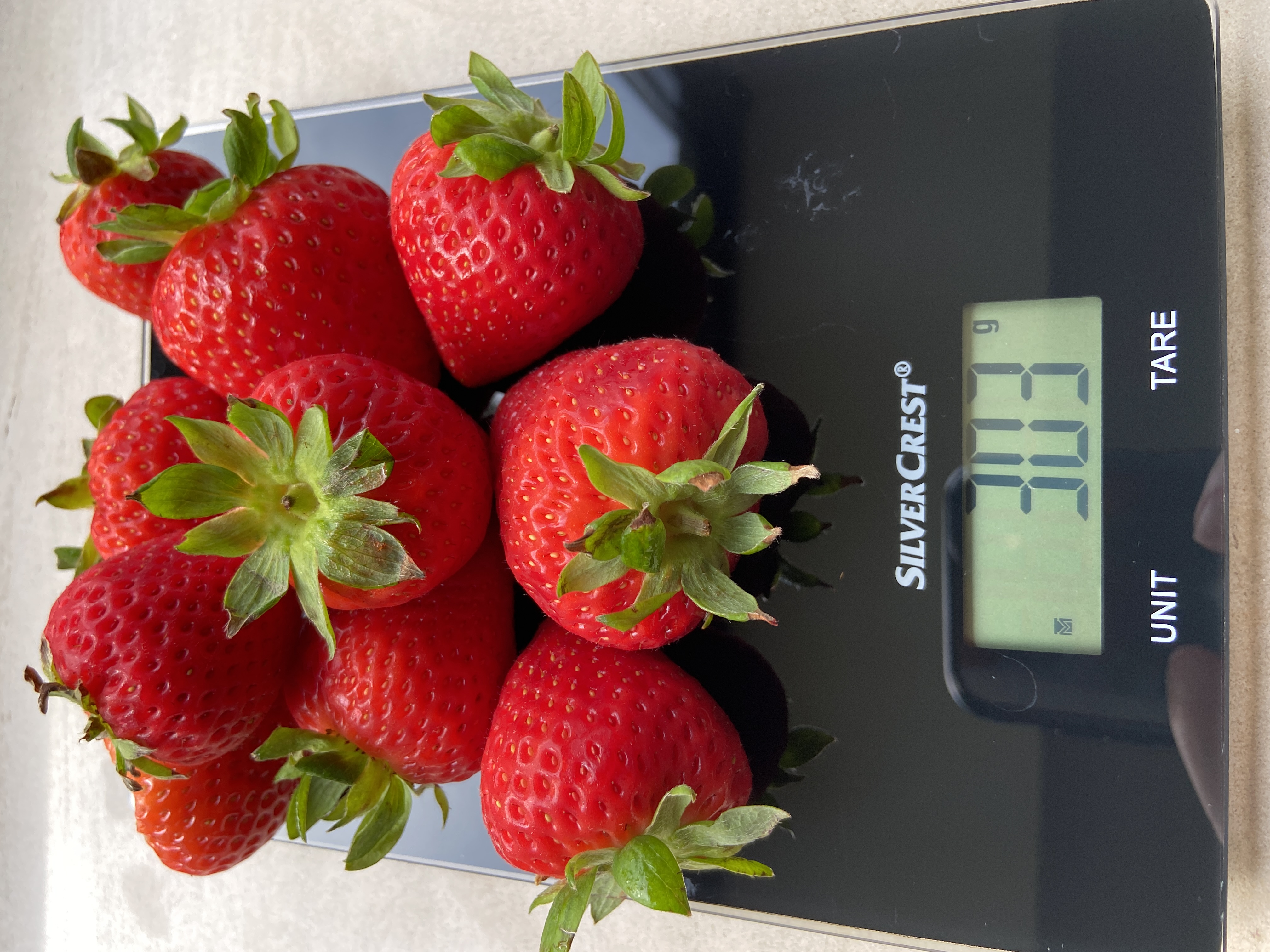
We always measure ingredients while cooking. These measurements can be useful for ingredients that vary in size, or when preparation matters, such as diced potatoes, chopped onions, citrus juice, or grated zest.
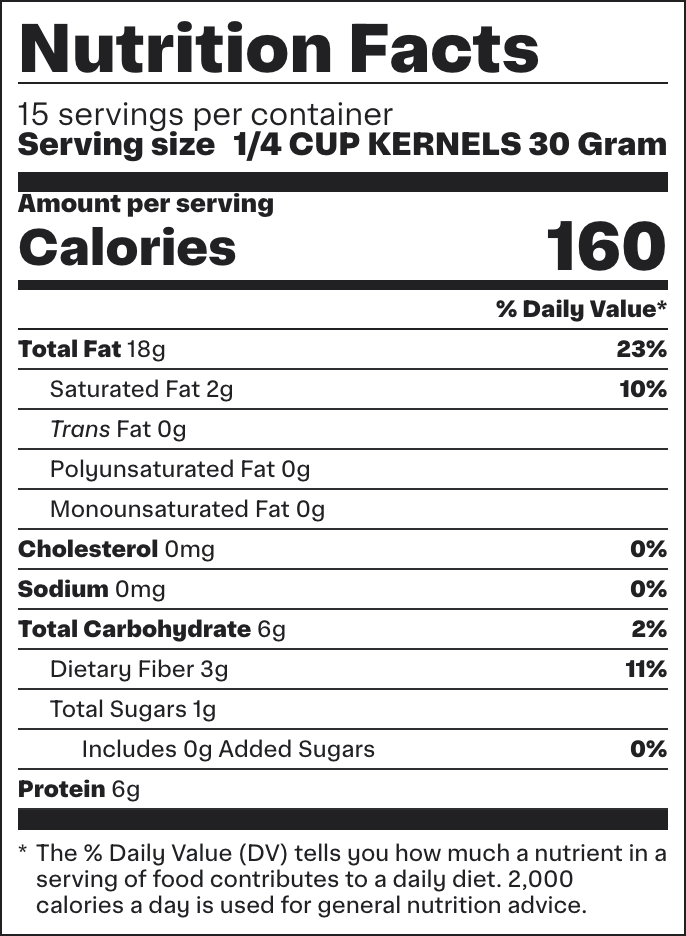
Sometimes we use product packaging. Nutrition labels often give a direct conversion from cups or teaspoons, for example.
Finally, we check public food data from sources such as USDA FoodData Central.
How Accurate Are The Charts?
For many everyday ingredients, the numbers should be quite accurate. A teaspoon of mustard, a cup of rice, or a tablespoon of lemon juice will usually land pretty close to the chart.
Fresh produce, meat, fish, and ingredients you chop or grate on the other hand, can vary a lot more.
A few things can change the result:
- The size of the ingredient. Lemons, sweet potatos, salmon fillets, or ribeye steaks vary greatly in size.
- The way the ingredient is prepared. A cup of finely diced onion is not the same as a cup of large onion chunks.
- The way the ingredient is measured: scooped, packed, chopped, drained, grated, or sliced.
So read a chart as just a helpful cooking estimate. It should get you close enough for recipe planning, grocery shopping, and everyday cooking, even if your exact potato is a little bigger, smaller, drier, or more finely diced than ours.
Questions? Issues?
Ingredient conversion data are maintained by hand, and we keep improving them as we cook. If something looks incorrect to you, we'll be very happy if you let us know by email.
Happy converting!